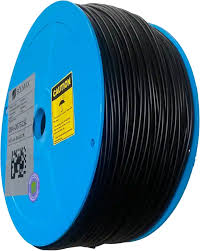
GSE PolyLock T
GSE PolyLock T provides a cast-in HDPE anchorage for geomembrane connections to concrete. We supply the profiles and carry out compatible liner welding and termination work for tanks, channels, sumps and other containment structures.


Benefits vs. traditional batten bars
No fastener penetrations through the liner
No sealant dependency at the waterproofing plane
Faster QA/QC using standard geomembrane weld testing
Cleaner aesthetics and fewer corrosion concerns
Design & detailing notes
Place PolyLock away from construction joints or coordinate with waterstops.
Ensure adequate concrete cover and vibration around the T-stem.
Use continuous runs where possible; keep the exposed cap straight and level for consistent welding.
For retrofit onto existing concrete, use HDPE liner + stainless compression batten details instead (we supply both systems).
Talk to our technical team
Need a termination detail for your sump, plinth, or channel? Share drawings and liner specs-we’ll provide a constructible detail, BOQ, and installation guidance.
Geosynthetics South Africa (Pty) Ltd
Email: sales@geosynthetics.co.za
Serving mining, water, waste, and industrial projects across Africa.
Can I add PolyLock to existing concrete?
PolyLock is a cast-in system. For existing structures, we supply stainless compression battens with sealant, or HDPE-to-concrete chemical anchoring details.
What weld method is used?
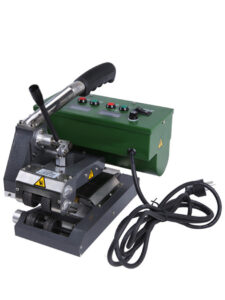
Extrusion welding is the standard for liner-to-PolyLock terminations. Where compatible, hot-wedge can be used on straight runs; corners use extrusion.
Which liner thicknesses?
Commonly 1.0-3.0 mm HDPE. We’ll match the PolyLock and welding procedure to your specified liner grade and surface (smooth/textured).
Is it compatible with Electrical Leak Location (ELL)?
Yes-when paired with conductive HDPE liners, the termination can be included in your ELL testing regime (per project spec).
Lead times?
We hold core profiles and can stage deliveries to match your concrete pour and liner installation schedule.
PolyLock-T Specs at a Glance
| Attribute | Detail | Attribute | Detail |
|---|---|---|---|
| Material | HDPE, UV-stabilised, carbon-black | Weld method | Extrusion (preferred) / hot wedge where applicable |
| Profile | Cast-in T-anchor embedment strip | Compatibility | Smooth & textured HDPE liners (commonly 1.0-3.0 mm) |
| Interface | HDPE cap for fusion welding | Color | Black (standard) |

GSE PolyLock-T Specifications

GSE PolyLock-T Installation Guide
Applications and uses
We supply and install this product for:
- Cast-in anchorage for compatible geomembrane connections at concrete structures.
- Designed liner terminations at tanks, channels and containment structures.
Why choose GSE PolyLock T?
- Cast-in anchorage for liner details
- Weldable HDPE connection surfaces
- Profile supply and liner installation
Installation and technical guidance
Design and procurement inputs
Confirm the profile, concrete embedment, liner resin compatibility, weld detail and inspection procedure. Cast-in anchorage details differ from mechanically fixed terminations on existing concrete.
Provide the product grade or performance specification, drawings or BOQ, quantities, site location and required date. We will define supply, delivery and any agreed installation and QA/QC responsibilities in the quotation.
Request a product-specific quotation →Installation overview (contractor-ready)
Set-out & fixing: Position PolyLock along the design line; tie to reinforcement so the weldable cap sits true to grade.
Concrete pour: Cast and vibrate ensuring the T-stem is fully embedded and free of voids; keep the HDPE cap straight and clean.
Surface prep: Once cured, abrade and clean both the PolyLock cap and liner edge; preheat per welding procedure.
Trial welds: Produce test coupons and verify peel & shear to spec (e.g., ASTM D6392 seam testing).
Fusion weld: Extrusion-weld the liner to the PolyLock cap with appropriate beads/fillets; close ends and corners with formed/mitred pieces.
QA/QC: Spark/air-channel/visual tests as specified; document weld logs, environmental conditions, and repairs.
Detailing options: Pre-formed inside/outside corners, T-junctions, end caps, and custom bends; HDPE welding rod; conductive liner compatibility for ELL methods when specified.
Frequently Asked Questions
SELECTION · SPECIFICATION · PROJECT SUPPLY
Choose the right specification
Select the concrete embedment profile as part of a designed liner termination or connection.
- Confirm the liner polymer, profile designation and compatible welding detail.
- Coordinate concrete casting, alignment, anchorage and joint transitions.
- Agree welding access, inspections and acceptance of the finished connection.
Define the quality records
Inspect profile identity, embedment and alignment, welds, transitions and approved repairs.
For a useful quotation: send the grade or performance specification, quantity, location, required date and scope. Availability, delivery and installation responsibilities are confirmed in the quotation.
Why Geosynthetics South Africa
One enquiry coordinates the specified product, technical submission, delivery and any agreed installation and QA/QC scope. We define quantities, programme, responsibilities and handover requirements against your project.